Comparing Mersey Sailing Clubs: Which One Fits Your Skill Level and Budget?
October 13, 2026 - River Life
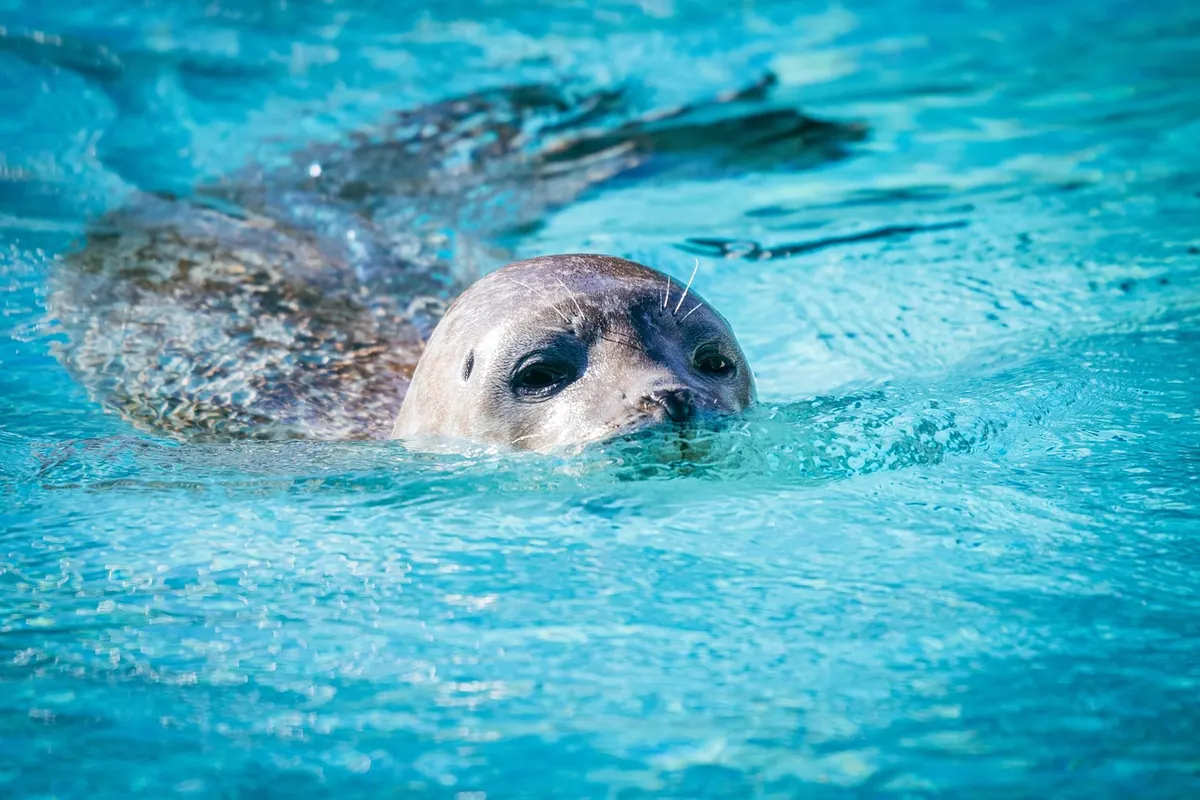
You do not need a boat, a hide or a trek to a remote headland to see a grey seal. Some of the best views in the north-west are from a Wirral promenade, flask in one hand, binoculars in the other. The Mersey estuary and the sandbanks off the north coast have become dependable places to watch seals haul out, roll about and doze in the sun — as long as you know where to stand, when to go, and how far to keep back.
The mouth of the river is busy, but it is also rich. Where the Mersey meets Liverpool Bay you get everything a seal needs: shallow water, strong tides pushing fish and crustaceans around, and wide sandbanks that dry out at low water. Add the quieter Dee estuary to the west and this whole corner of the coast suits them well.
Grey seals are the ones you will most often see, hauled out in loose groups or bobbing upright in the channel like a periscope with whiskers. The Hilbre Islands, off West Kirby, are the best-known haul-out and the focus of most sightings on the Wirral side. The Mersey's water quality has improved considerably over recent decades, and cleaner water means more fish — one reason seals are now a regular sight rather than a lucky one.
Every spot below is free, open to anyone and worth a visit at any time of year. They run roughly west to east along the Wirral coast.
Tides matter more than anything else. Seals rest on banks and rocks that are underwater for much of the day, so your best window is around low water, when those banks are exposed and the animals are easy to pick out. Aim to arrive an hour or two before low tide.
Seals are here all year. In summer they bask and moult; through autumn and winter, grey seals come ashore to breed and pups appear on the shoreline. If you see a white-coated pup, that is a clear sign to keep even further back. The Dee estuary to the west is the main local breeding area, and Hilbre sits right on its edge.
Weather counts too. Calm, dry days with good visibility give the sharpest views, and a light offshore breeze often flattens the surface. Heat haze and afternoon glare can make distant seals impossible to identify, so mornings and late afternoons usually beat midday.
Two species turn up in this part of the Irish Sea, and telling them apart is easier than it sounds once you have seen a few. Grey seals are larger and longer-faced: side-on, the head runs almost straight from forehead to nose in what is often called a Roman profile. Harbour seals, also known as common seals, are smaller and rounder, with a shorter, dog-like face and nostrils that meet in a V. Most animals hauled out on the banks off Hilbre are grey seals, but keep an open mind — both species occur in Liverpool Bay.
Seals are curious but easily spooked, and a disturbed seal burns energy it cannot spare. A few habits keep your visit good for them as well as for you.
Binoculars beat footsteps. A pair of 8x42s will show you more, from further away, than any amount of creeping closer.
Check the tide table for the day you plan to visit and build the trip around low water. If you are walking out to Hilbre, use the marked route, allow plenty of time, and be back on the mainland well before the tide turns. The channels fill faster than most people expect and the crossing is genuinely dangerous when rushed. Tell someone where you are going and when you expect to be back, and do not rely on a phone signal out on the sands.
Take warm, windproof layers whatever the forecast says, something to sit on, and a flask. A telescope helps if you are serious about long-range viewing, though good binoculars are plenty. And if the seals stay distant, that is fine. A grey seal going about its business a few hundred metres away,
Photo: SruvyPhoto / Pixabay
From tide-dependent estuary berths to sheltered Wirral lake sailing, Merseyside's clubs differ sharply on cost,...
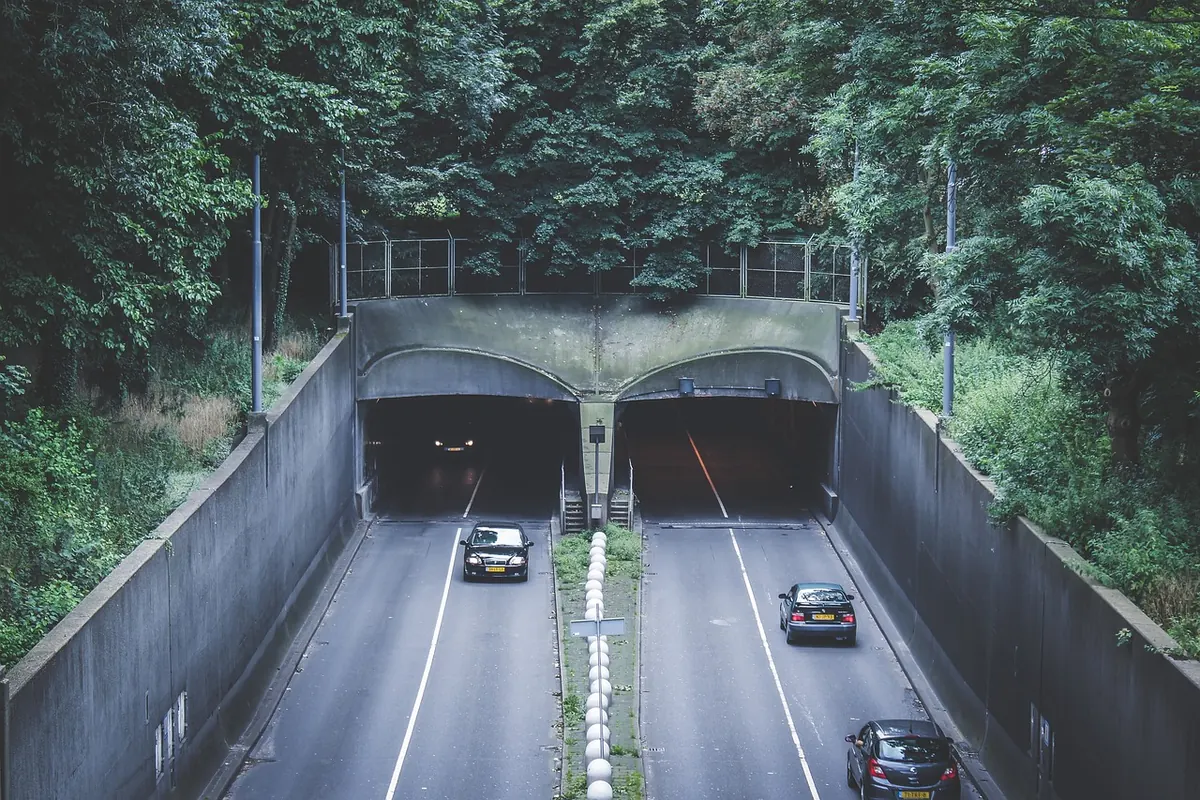
The Mersey Tunnels have linked Liverpool and Wirral since 1934. Here is how Queensway and Kingsway were built, and...
Copyright © 2026 The Mersey Corner. All Right Reserved.